ISO 13485:2016
 Medical devices — Quality management systems — Requirements for regulatory purposes
ISO 13485:2016 specifies requirements for a quality management system where an organization needs to demonstrate its ability to provide medical devices and related services that consistently meet customer and applicable regulatory requirements.
The ISO 13485:2016 certification is a proof of Quality Management System compliance to the standard for organizations involved in the Medical Device industry. This approach is not only followed by Medical Device Manufacturers but also supporting organizations such as Subcontractors, Suppliers, European Authorized Representatives, specialized Consulting firms etc…
Note that ISO 13485:2016 expands the profile of companies and organizations to which the standard can apply: Organizations involved in one or several stages of a Medical Device Lifecycle or a Supplier or other External Parties providing such organizations with products for example.
| Organizations involved in one or more stages of the medical device lifecyle | Suppliers or External Parties who provide products to such Organizations |
|---|---|
|
|
In addition, the ISO 13485 standard requires that the organization identifies its role(s) in connection with the regulatory requirements (e.g. Manufacturer, Representative, Importer and / or Distributor), and determines the applicable regulatory requirements depending on the role(s), then integrates the regulatory requirements in the QMS.
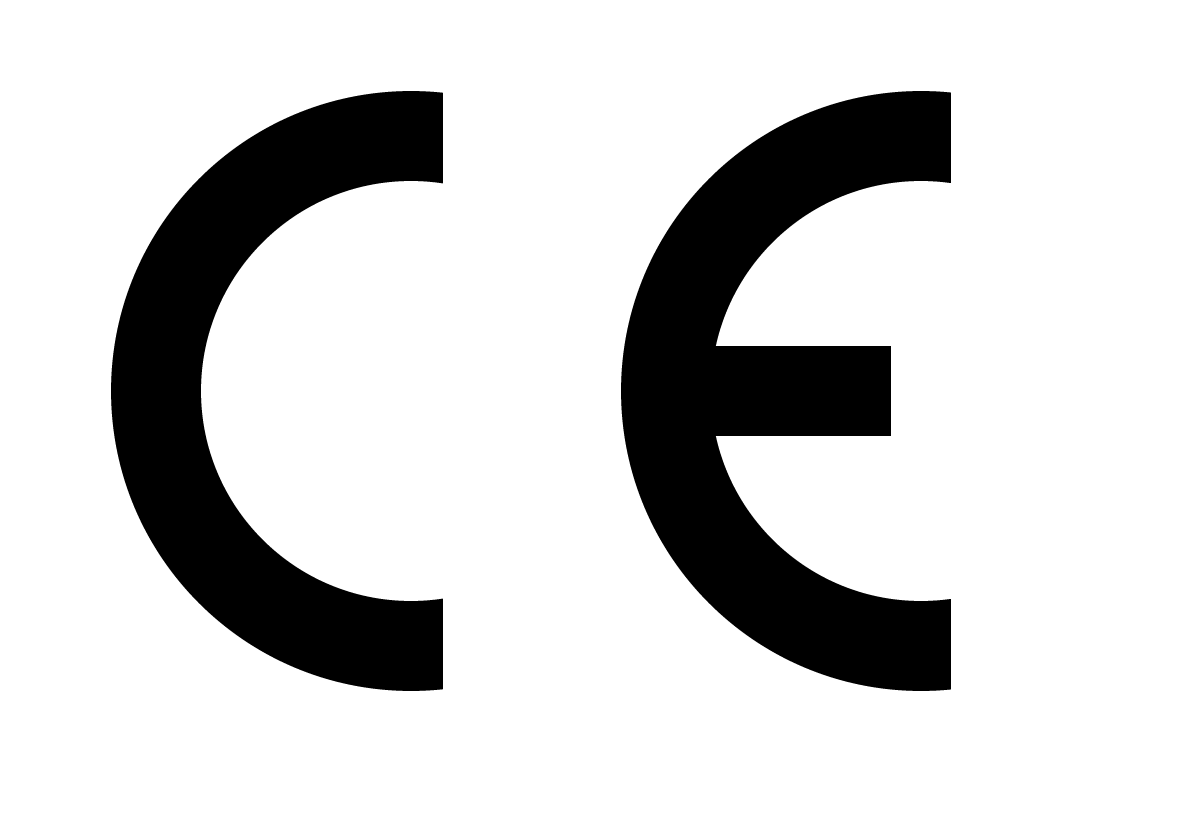 A CE mark is a logo that is placed on medical devices to show they conform to the requirements in the directives. It shows that the device is fit for its intended purpose stated and meets legislation relating to safety. It shows the product can be freely marketed anywhere in the European Union.
 SA8000:2014 is one of the world's first auditable social certification standards for decent workplaces, across all industrial sectors. It is based on conventions of the ILO, UN and national law, and spans industry and corporate codes to create a common language to measure social compliance. It takes a management systems approach by setting out the structures and procedures that companies must adopt in order to ensure that compliance with the standard is continuously reviewed. Facilities seeking to comply with SA8000 have to adopt policies and procedures that protect the basic human rights of workers.
 The Social Compliance Initiative (BSCI) is a leading business-driven initiative for companies committed to improving working conditions in factories and farms worldwide. The BSCI Code of Conduct is based on the most important international labour standards protecting the workers' rights such as the International LabourOrganization (ILO) Conventions and other important Declarations of the United Nations, the OECD guidelines for multinational enterprises and the UN Global Compact. By undergoing a BSCI audit a facility expresses its strong commitment towards fair working conditions, including its supply chain. BSCI audit is a strong foundation for SA 8000 certification in future and it saves a lot of time and money in achieving the same.V- Cert conduct self reference assessment of your organisation’s compliance to BSCI Code of Conduct and issue a detailed report about the status of the implementation in all your process, including your supply chain.
 SEDEX, the Supplier Ethical Data Exchange, is a not for profit membership organisation dedicated to driving improvements in responsible and ethical business practices in global supply chains. Sedex offers a simple and effective way of managing ethical and responsible practices in your supply chain.
 ISO 9001:2015 is an international standard on quality management system based on eight quality management system principles to help improve organizational performance:
 The Customs-Trade Partnership Against Terrorism (C-TPAT) is a voluntary supply chain security program led by U.S. Customs and Border Protection (CBP) and focused on improving the security of the supply chains of companies which import cargo from foreign countries like India, China, Bangladesh etc, with respect to terrorism. The U.S. Customs and Border Patrol (CBP) identifies trusted import traders with good supply chain security protocols, thereby reducing its need to screen their imported cargo.